Emilie Mauricio
January 15, 2026
•
8 min read
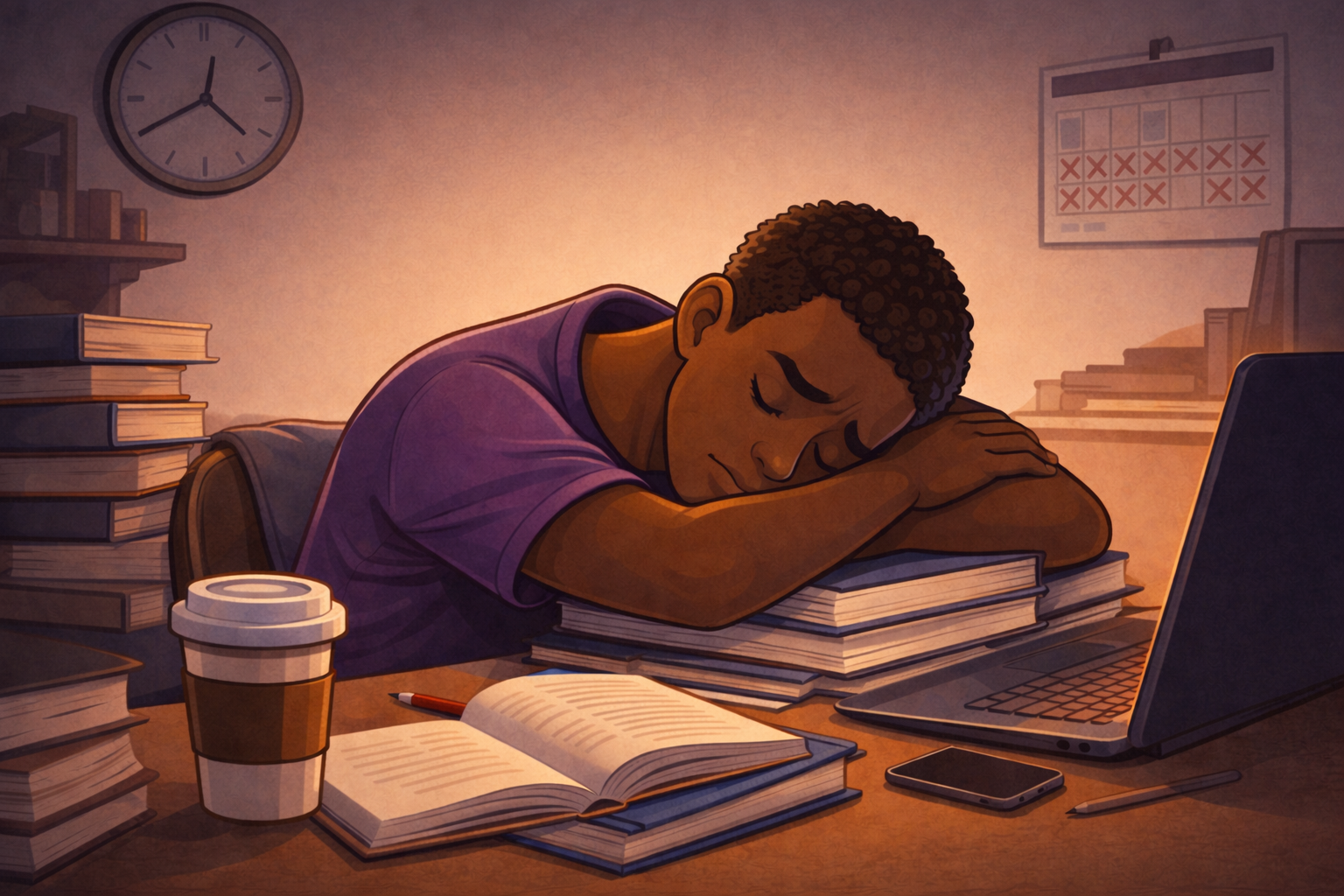
That last exam is finally over. The final paper has been submitted. Your brain feels like overcooked pasta, your sleep schedule is nonexistent, and the thought of opening another textbook makes you want to cry. If you're nodding along, you're not alone—over 55% of college students experience some degree of academic burnout, with symptoms peaking during exam periods.
But here's what most students don't realize: the weeks after semester's end aren't just recovery time. They're your chance to transform exhaustion into clarity, stress into strength, and burnout into breakthrough.
Academic burnout isn't just about feeling tired. It's characterized by three key dimensions: exhaustion, cynicism, and inefficacy—that bone-deep fatigue, the "what's the point?" attitude toward your studies, and the crushing feeling that you're not good enough.
The numbers tell a sobering story. Research shows burnout symptoms increase linearly over one academic semester, building gradually until finals week hits like a freight train. During exam periods, stress levels can spike dramatically, leaving students feeling physically, emotionally, and mentally depleted.
And the impact goes far beyond grades. Burnout affects mental health, inducing feelings of stress, anxiety, frustration, and fear. It can strain relationships, disrupt sleep patterns, and make even simple tasks feel insurmountable. Students with poor sleep quality are 40% more likely to experience burnout symptoms, creating a vicious cycle that's hard to break.

Your brain and body need time to reset after sustained academic stress. When you're in survival mode—cramming for exams, pulling all-nighters, living on caffeine and anxiety—your stress response system gets stuck in overdrive. The relationship between stress and recovery is non-linear and non-symmetrical, involving different physiological, psychological, and social processes.
The good news? Recovery is possible, and it starts with understanding that rest isn't laziness—it's biologically necessary. Your mind needs time to consolidate learning, process experiences, and rebuild the mental resources that academic stress depleted.
Give yourself a few days to rest and recover before getting back into a consistent schedule. This isn't about binge-watching Netflix for two weeks straight (though a few days of that are fine). It's about intentional rest that allows your nervous system to downshift from constant high alert.
Start with sleep. If your semester turned you nocturnal, gradually adjust your sleep schedule by 30 minutes each night until you're back to a healthy rhythm. Quality sleep is one of the most powerful recovery tools available—it's when your brain processes memories, repairs itself, and resets emotional regulation systems.
Regular physical activity is one of the most effective ways to boost your health, improve brain function, and manage stress. But forget the "no pain, no gain" mindset. Post-burnout movement should feel good, not like another obligation.
Even moderate activity can have a significant impact. Take a 20-minute walk outside, try gentle yoga, dance in your room, or swim a few laps. Exercise increases overall health and can reduce stress by producing feel-good neurotransmitters called endorphins. The goal isn't to "get shredded" over winter break—it's to remind your body that it exists for more than sitting at a desk.
Learn more about how mindful movement supports mental wellness.

Keeping track of your thoughts and feelings can help you identify and work through them. Post-semester journaling isn't about writing perfect prose or analyzing every moment. It's about giving your swirling thoughts a place to land so they stop ping-ponging around your head at 2 AM.
Try these prompts:
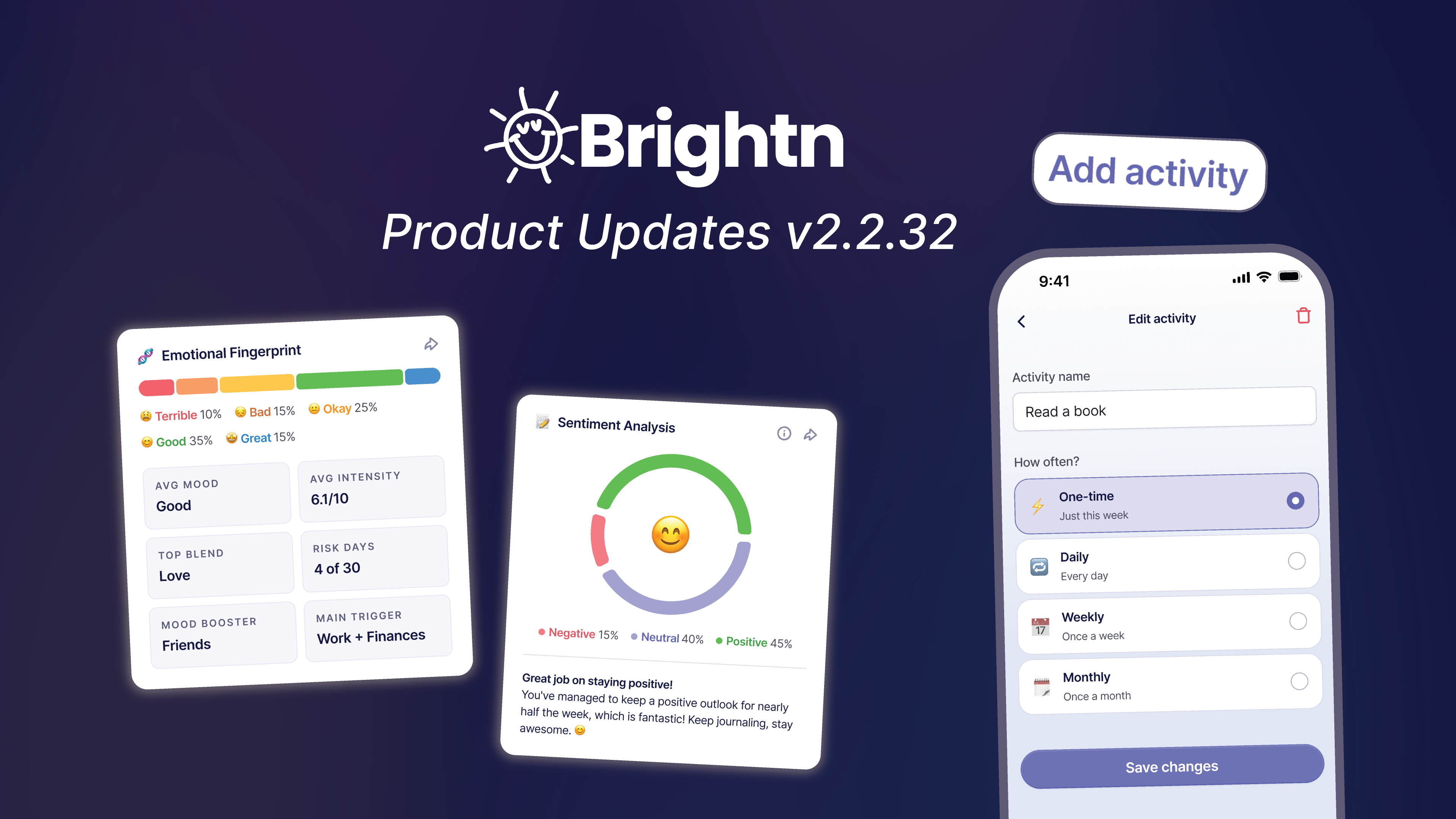
Brightn's AI-powered journaling offers personalized prompts and mood tracking that help you recognize patterns in your stress responses and recovery strategies. Unlike generic journaling, Brightn remembers what works for you specifically, creating a personalized roadmap for better mental wellness.
High burnout levels are associated with lower perceived social support, particularly subjective support like feelings of being respected and understood. When you're drowning in assignments, it's easy to let friendships slide or avoid family calls because you "don't have time."
Post-semester is the perfect window to rebuild those connections. Reach out to friends you haven't seen in weeks. Have an actual conversation with family members (not just stressed-out texts about deadlines). Talking to other students reveals you're not alone in your struggles, and hearing how others manage stress can give you new strategies.
If relationships feel strained from your semester-long disappearing act, be honest: "Hey, I went full hermit mode during finals. Can we catch up?" Most people understand—they've been there too. Learn more about building a support network that lasts.
Here's where post-burnout becomes growth. Effective stress management skills and the ability to balance obligations are essential for student wellbeing. Don't wait until next semester starts to think about how you'll handle stress differently.
Ask yourself:
Approximately 87% of college students said they would perform better in their classes if they had better time management skills. But time management isn't just about productivity hacks—it's about understanding your energy patterns, building in buffer time for unexpected challenges, and learning to say no to commitments that drain more than they give.

The difference between temporary recovery and lasting change comes down to daily habits. Brightn helps students build sustainable mental wellness routines through:
Unlike apps that bombard you with generic advice, Brightn actually remembers what works for your brain. It's like having a mental wellness coach who knows your history and adjusts recommendations based on what's actually helping you recover and grow.
Sometimes, academic burnout reveals deeper mental health concerns that need professional support. If you're experiencing depression or anxiety, struggling to sleep or enjoy life, or turning to alcohol or drugs to cope with stress, it's time to ask for help.
Red flags that you need more than a self-guided reset:
Most universities offer free or low-cost counseling services. Many schools provide drop-in consultations to discuss concerns and connect with additional resources. You can also explore telehealth options that fit your schedule and comfort level.

Days 1-2: Crash and Burn (Responsibly) Sleep as much as your body wants. Order food you actually want to eat. Watch mindless TV. Do nothing productive. Your nervous system needs to believe the threat is over.
Days 3-4: Gentle Reentry
Go outside at least once. Take a shower. Text a friend. Open your journal and do a brain dump of everything on your mind—no filtering, no structure, just get it out.
Days 5-7: Establish Mini-Routines Set a consistent wake-up time (even if you nap later). Eat real meals at regular times. Move your body for 15-20 minutes. Try Brightn's daily check-in to start tracking your recovery in real-time.
Post-semester recovery isn't about becoming a productivity machine or never feeling stressed again. It's about learning to recognize your limits before you hit them, building resilience that lasts beyond a single semester, and creating habits that support your wellbeing instead of sacrificing it.
The goal isn't to try to get rid of all stress—it's to learn to respond well to stress. This means balancing daily stressors with activities and attitudes that replenish your physical, mental, and emotional energy.
Every semester will bring challenges. But each post-semester reset is an opportunity to get better at taking care of yourself, to identify patterns earlier, and to build a foundation of mental wellness that makes the next round more sustainable.
You survived the semester. Now it's time to do more than survive—it's time to build something better.
Ready to turn burnout into breakthrough? Download Brightn and start your personalized mental wellness journey. With AI-powered journaling, mood tracking, and daily insights tailored to your unique needs, you'll build the habits that make next semester your strongest yet.

Remember: recovery isn't linear, growth takes time, and asking for help is a sign of strength, not weakness. Your mental health matters—not just for your grades, but for your life.
Looking for more mental wellness strategies? Explore Brightn's knowledge hub for research-backed articles on stress management, sleep hygiene, building resilience, and creating sustainable student wellness habits.