Rylee
January 15, 2026
•
9 min read
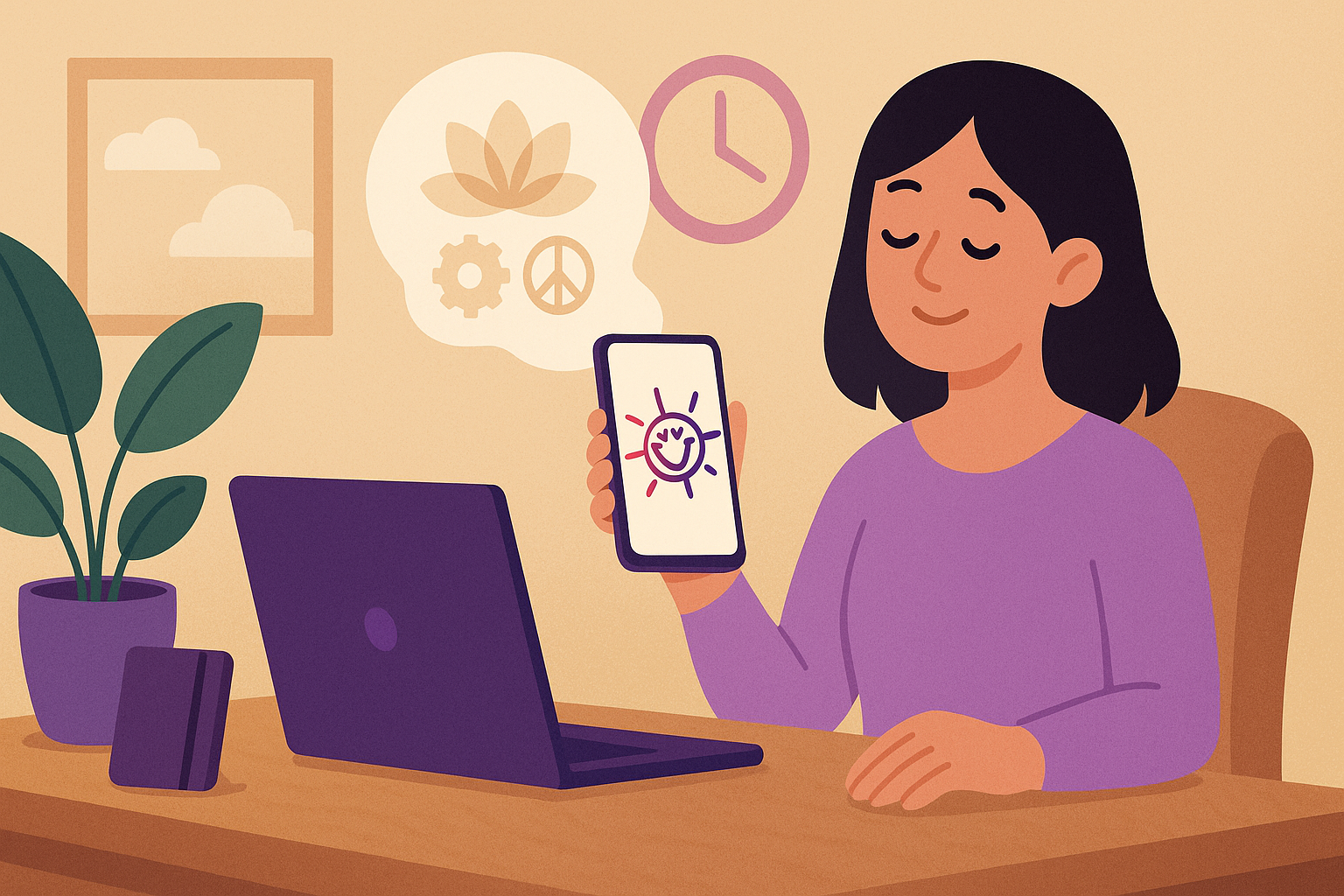
Discover how mindfulness practices can transform your productivity while protecting your mental health—plus how Brightn's AI-powered support makes it easier.
In today's fast-paced world, being "busy" often feels like the ultimate badge of honor. But constant multitasking and long hours don't always equal meaningful progress. In fact, they can lead to burnout and reduced focus.
Mindful productivity is about shifting from doing more to doing what matters most—with clarity and intention. Research shows that mindfulness practices improve working memory, attention, and emotional regulation, which directly enhance productivity.
Quick Win: Download Brightn to get daily mindfulness check-ins and personalized strategies that help you build these habits effortlessly—starting today.
Research shows that mindfulness reduces stress while improving focus and cognitive flexibility. Harvard researchers found that practicing mindfulness meditation for just eight weeks can change brain regions related to learning, memory, and emotion regulation.
Key findings:
By learning to notice distractions and return your attention to the present moment, you waste less energy on multitasking and complete tasks with greater quality.
Mindful productivity builds on four foundational principles that shift how we approach work:

Instead of checking off endless to-do lists, align tasks with your values and goals. This reduces overwhelm and focuses your energy where it matters most. When you prioritize intentionally, it's easier to let go of low-value tasks and concentrate on meaningful progress.
Brightn helps: The app's daily check-ins help you clarify what truly matters each day, keeping your priorities aligned with your values.
Stanford University research shows that multitasking decreases efficiency and increases errors. Focusing on one task at a time leads to higher-quality outcomes and less stress.
Brief mindfulness practices during the day—like deep breathing or short meditations—help reset focus. Even a few minutes can lower stress hormones and improve clarity. These pauses prevent exhaustion and keep energy sustainable throughout your day.
Mindful productivity isn't rigid. Regularly check in on what's working, let go of unhelpful habits, and adjust for sustainable progress. Reflection keeps you from falling into autopilot and ensures you're working smarter over time.
These research-backed strategies are simple, flexible, and designed to fit into real life:
1. Use the Pomodoro Technique Mindfully
Work in focused 25-minute blocks, then pause to stretch, grab water, or take a breath. This prevents mental fatigue while maintaining momentum. Perfect for studying, writing, or creative projects.
2. Single-Task with Intention
Choose one task and commit to it fully. Turn off notifications, close unnecessary tabs, and give your complete attention. You'll finish faster and with better quality.
3. Create a Morning Grounding Ritual
Start your day with 2-5 minutes of journaling, meditation, or mindful breathing. This sets the tone for a focused, calm day and improves decision-making throughout.
4. Practice Mindful Transitions
Between tasks, take 60 seconds to breathe deeply and reset. This prevents mental clutter from one activity bleeding into the next.
5. Use the "Two-Minute Rule"
If a task takes less than two minutes, do it immediately. This prevents small tasks from cluttering your mental space and building up.
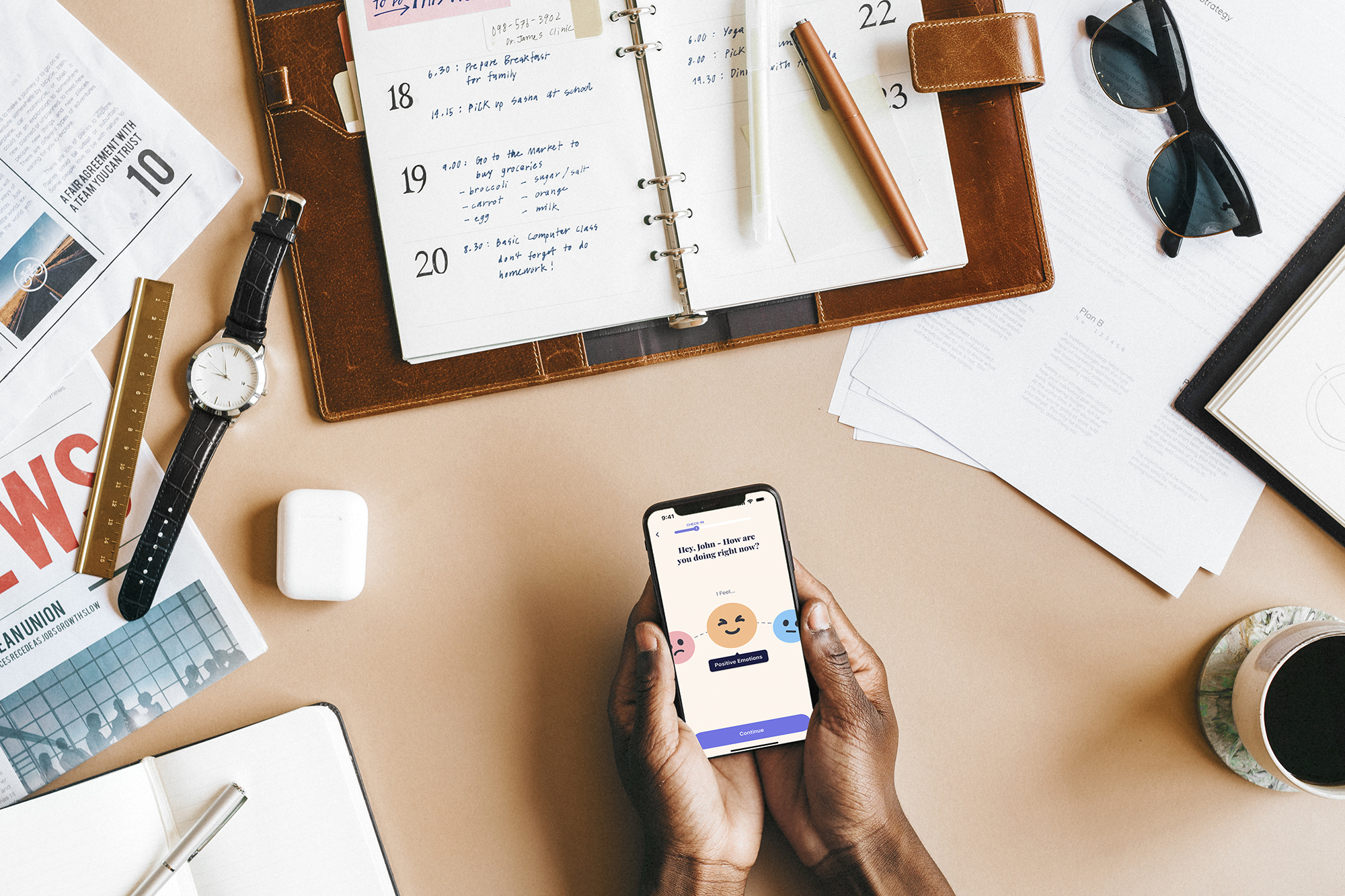
6. Schedule Tasks by Energy Levels
Track when you're most alert (morning, afternoon, evening) and schedule demanding work during peak hours. Save routine tasks for lower-energy periods.
7. Take Strategic Breaks
Step away every 90 minutes to prevent burnout. Walk, stretch, or practice brief mindfulness. Your brain needs downtime to consolidate information and recharge.
8. Batch Similar Tasks Together
Group related activities (emails, calls, errands) to reduce context-switching. This preserves mental energy and improves efficiency.
9. Set Boundaries with Technology
Designate specific times for checking email and messages (e.g., 10am, 2pm, 4pm). Turn off non-essential notifications to protect your focus time.
10. Create an Intentional Workspace
Take 2 minutes before working to clear clutter and set up your space mindfully. A clean, organized environment boosts focus and reduces feeling overwhelmed.
11. End Each Day with Reflection
Write down one win and one lesson learned. This practice helps you celebrate progress while continuously improving—without harsh self-judgment.
12. Conduct Weekly Reviews
Spend 15 minutes each week reviewing what worked, what didn't, and what to adjust. This prevents you from repeating ineffective patterns.
13. Practice Values-Based Decision Making
Before saying "yes" to commitments, ask: "Does this align with my priorities?" This protects your time and energy for what matters most. (Learn more in our guide on values-based decision making.)
14. Set "Good Enough" Standards
Perfectionism drains energy. Define what "done" looks like for each task and stop there. This frees you from endless revising and helps you move forward.
15. Build in Self-Compassion
When you make mistakes or fall short, treat yourself with kindness. Self-criticism drains motivation; self-compassion builds resilience and sustainable productivity.
Make it Easier: Brightn provides gentle reminders for breaks, reflective prompts for daily check-ins, and AI-powered voice support when you need to process challenges or recalibrate your approach.
Practicing mindful productivity delivers benefits beyond efficiency:
Research from McKinsey & Company shows that mindfulness programs in workplaces lead to measurable improvements in employee wellbeing and organizational performance.

Mindfulness reduces exam anxiety and improves concentration during study sessions. Even short practices help regain focus when distractions or stress creep in. Try the Pomodoro technique for study blocks and use mindful breaks to prevent information overload.
Mindful breaks during work reduce stress, while intentional prioritization prevents overload. Set boundaries around email and meeting times to protect deep work periods. Use reflection practices to maintain work-life balance.
Leaders who model mindfulness create healthier team cultures by showing that rest and clarity are as important as results. Encourage team members to take breaks and share your own mindful productivity practices.
Adapting strategies to your environment ensures mindfulness feels practical and sustainable, whether you're in a classroom, at a desk job, or working in creative fields.
It's easy to get lost in endless to-do's and good intentions that never stick. Brightn helps you slow down and focus on what really matters to you.
Here's how the app supports your mindful productivity journey:
Instead of pushing harder, Brightn helps you work in a way that feels sustainable—so you accomplish meaningful goals without sacrificing your mental health.
Ready to work smarter? Download Brightn free and start building these habits today.

Q: Can mindfulness really make me more productive?
Yes. Studies show mindfulness improves focus, memory, and emotional control—all of which directly enhance productivity. Research from the American Psychological Association confirms that mindfulness meditation is a proven way to reduce stress and improve cognitive performance.
Q: How is mindful productivity different from time management?
Time management focuses on efficiency and squeezing more into your day. Mindful productivity emphasizes intentional focus, values alignment, and mental wellbeing—getting the right things done, not just more things.
Q: How long do I need to practice mindfulness to see results?
Even 10 minutes a day of mindfulness practice has been shown to lower stress and improve attention span. The Harvard study found measurable brain changes after just 8 weeks of regular practice.
Q: Can mindful productivity reduce burnout?
Yes. By encouraging regular pauses, reflection, and focus on meaningful work, mindful productivity helps prevent exhaustion. It creates sustainable work rhythms rather than boom-and-bust cycles.
Q: Is multitasking ever effective?
Research consistently says no—multitasking reduces both efficiency and accuracy. Our brains perform best when focused on one task at a time.
Q: How does Brightn help with mindful productivity?
Brightn makes mindfulness practical through daily check-ins, break reminders, and AI support that helps you stay aligned with your goals without feeling overwhelmed. Try it free to experience the difference.
Mindful productivity is not about doing more—it's about doing what truly matters, with clarity and purpose. By shifting your focus from constant busyness to intentional action, you reduce stress, avoid burnout, and bring more meaning to your work.
The strategies in this guide help you:
Working smarter means protecting your mental health while still making progress toward your goals. With mindful strategies in place, you create a rhythm of work that feels sustainable, balanced, and genuinely fulfilling.
Ready to transform your productivity? Download Brightn and get personalized support for building these habits into your daily life—starting today.

Explore more strategies for mental wellness and sustainable productivity:
Browse all resources: www.brightn.app/resources