Rylee
September 2, 2026
•
4 min read

Feeling tired is not always about sleep. Sometimes it is about how much your brain is carrying.
Most people think of energy as something that is physical. Did I sleep enough? Did I eat enough? Did I exercise?
These things matter, but they are not the full picture. Mental energy plays just as big of a role in feeling energized, and it is often the first thing to drop when our mental load gets too high.
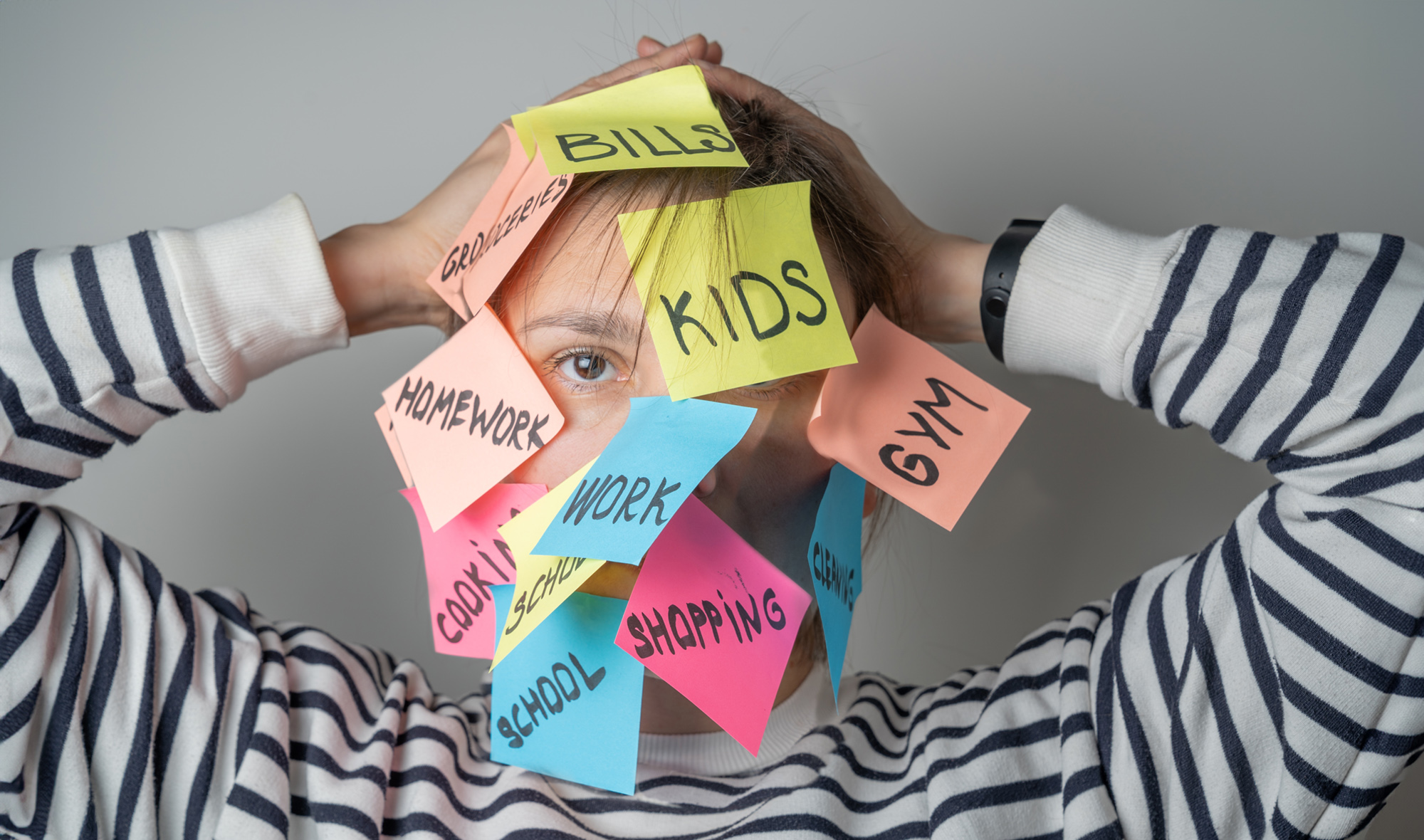
Mental load is not just having a lot to do. It is the constant background processing that keeps your life running. It includes remembering tasks, planning ahead, making decisions, managing relationships, and keeping track of everything that has not happened yet but needs to.
That is why you can feel exhausted even when you have not physically done that much. Your brain is still working overtime. Research describes this as cognitive labor, the ongoing mental effort required to manage responsibilities and anticipate needs. It is not always visible, but it is continuous, and the effort it takes adds up quickly.
One of the clearest signs of a heavy mental load is low energy. Mental energy refers to your ability to focus, make decisions, process information, and stay engaged. When it runs low, everything starts to feel harder, even simple tasks.
You might notice it as:
Difficulty concentrating
Lack of motivation
Mental fog
Feeling overwhelmed by small decisions
This happens because your brain has limits. Every decision, task, and thought uses cognitive resources.
35,000
Estimated decisions the average adult makes per day. Your brain is constantly using energy just to keep up.
When those resources are depleted, your energy drops, even if your body is technically fine.
One of the most overlooked effects of mental load is decision fatigue. When your brain has been making decisions all day, even small ones start to feel overwhelming. Choosing what to eat, what to wear, or what to do next can feel disproportionately difficult.
This is not because the decisions are hard. It is because your brain is tired.
Low energy from mental load does not just show up as fatigue. It often shows up emotionally first.
When your brain is overloaded, your emotional capacity drops. You have less patience, less flexibility, and less ability to regulate your reactions. That is why you might feel:
More irritable
More anxious
More overwhelmed
More self-critical
These mood shifts are directly linked to how much mental space your mental load is taking up. So if you are snapping at people or feeling off without a clear reason, it may not be about the situation. It may be about your capacity being maxed out.

One of the most frustrating parts of a high mental load is that rest does not always work. You might sit down, try to relax, and still feel wired. Your brain keeps running through tasks, plans, and unfinished thoughts.
That is because mental load does not automatically shut off. When your thoughts are constantly active, it can be difficult to disengage, which affects both your ability to rest during the day and your ability to sleep at night.
Even though mental load is cognitive, its effects are physical. Chronic mental strain can show up as:
Muscle tension
Headaches
Fatigue
Sleep disruption
This is because stress and cognitive overload activate physiological responses in the body. Harvard Health also highlights that chronic stress and lifestyle strain can directly reduce energy levels at a biological level, affecting how your body produces and uses energy.
So when you feel physically exhausted, it is not always a physical problem. It can be a cognitive one too.
Instead of asking "Why am I so tired?" a more useful question might be:
Because low energy is often a signal that your mental load is too high. You might be:
Managing too many decisions
Tracking too many responsibilities
Anticipating too many future tasks
Holding too many things in your head at once
And your energy is reflecting that. This is also why "doing nothing" does not always fix it. If your brain is still processing, you are not actually resting.
The solution is not just to push through or try to be more productive. It is to reduce the load itself. Research and clinical guidance suggest a few consistent strategies:
Simplify routines like meals, schedules, or daily tasks so fewer choices compete for your cognitive resources.
Writing things down or using systems reduces the need to keep everything in your head.
Mental load is often unevenly distributed, especially in relationships, and sharing it can significantly reduce strain.
Stress is one of the biggest drains on energy, both mentally and physically.
These strategies all target the same thing: cognitive demand.

Energy is not just about how much you slept or how healthy you are. It is also about how much your brain is holding. And once you start looking at your energy that way, it becomes easier to understand what actually needs to change.
At Brightn, we focus on the connection between mental systems and everyday behaviors. Energy is one of the clearest examples of that connection. It is not just physical. It is cognitive, emotional, and environmental.
When you understand how your mental load affects your energy, you stop trying to fix the symptom and start addressing the root cause.
Because energy is not just physical. Mental load and cognitive strain can drain energy even when your body is rested.
Ongoing cognitive demand, especially constant decision-making and task management.
Yes. It can contribute to stress, sleep issues, and physical tension.
Reduce cognitive demand. Simplify decisions, externalize tasks, and manage stress.
Cleveland Clinic. Understanding Mental Load.
Healthline. The Mental Load.
Healthline. 8 Tips to Boost Mental Energy, in the Moment and in the Future.
Harvard Health. Ways to Maximize Your Energy.
Harvard Health. 9 Tips to Boost Your Energy Naturally.