Emilie Mauricio
February 22, 2026
•
7 min read
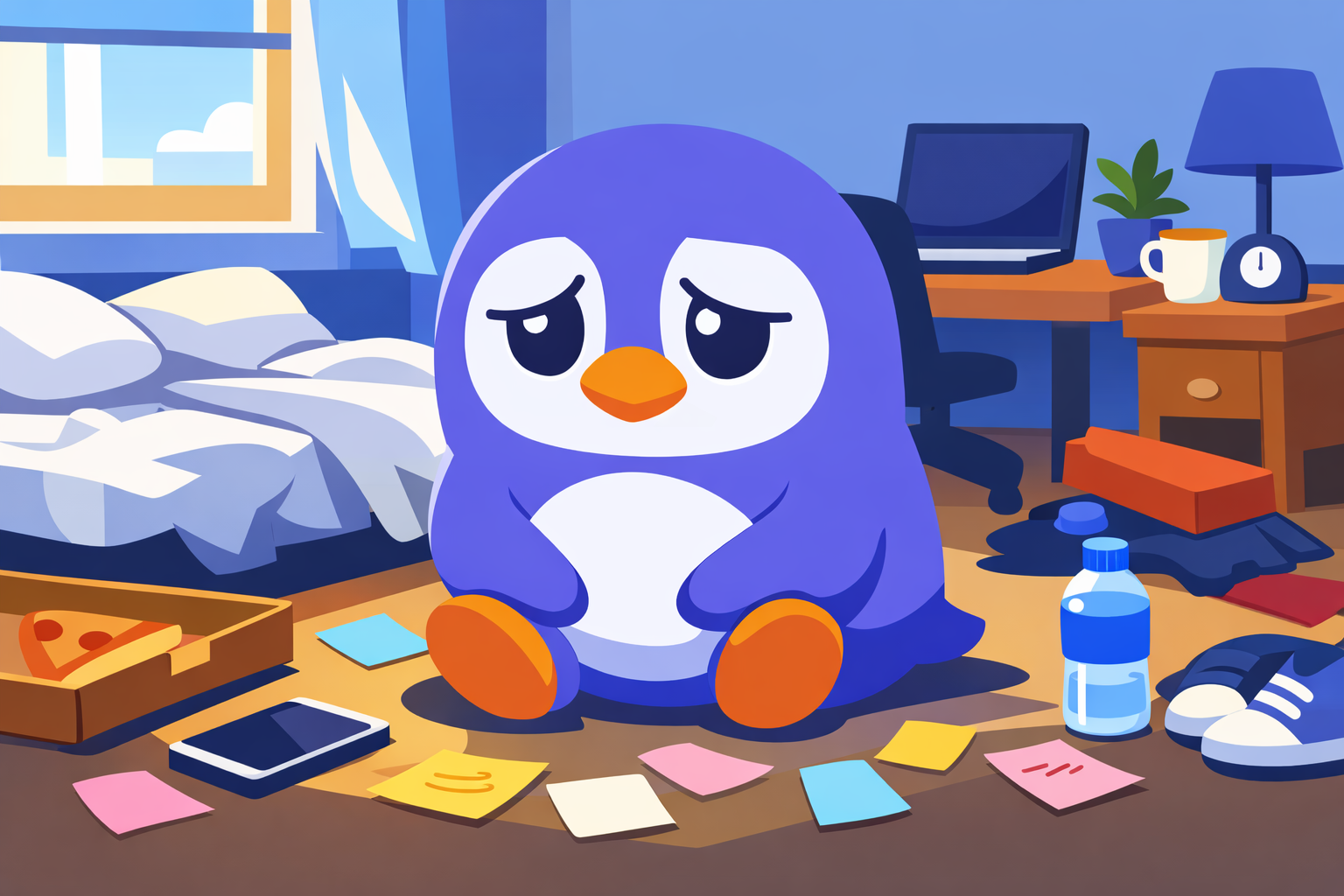
Life doesn't always follow a schedule. Whether it's a job change, moving to a new city, starting school, recovering from illness, or navigating a major life transition, losing your routine can feel like losing your anchor. When the structure you rely on suddenly vanishes, it's common to feel anxious, overwhelmed, or completely adrift.
But here's the thing: your mental wellness doesn't have to crumble when your routine does. With the right strategies and mindset, you can protect your emotional wellbeing even during the most chaotic seasons of life.
Routines aren't just about scheduling—they're deeply connected to how your brain functions and manages stress.
Research shows that predictable patterns help regulate your nervous system and reduce decision fatigue. When you follow a routine, your brain knows what to expect, which conserves mental energy and creates a sense of safety. According to the American Psychological Association, routines reduce stress by providing structure and control during uncertain times.
When that structure disappears, several things happen:
Your stress response activates more frequently. Without the predictability of routine, your brain perceives more situations as potentially threatening, keeping your nervous system on high alert.
Decision fatigue intensifies. Every small choice—when to eat, what to work on, when to rest—suddenly requires conscious thought, draining your mental resources.
Sleep patterns often deteriorate. Your circadian rhythm thrives on consistency, so irregular sleep and wake times can disrupt both sleep quality and mood regulation.
Emotional regulation becomes harder. Routines provide emotional scaffolding that helps you manage feelings throughout the day. Without them, emotions can feel more intense and harder to control.
The good news? Understanding why routine loss impacts you is the first step toward rebuilding your mental wellness.

Sometimes you might not realize how much the loss of routine is affecting you until the symptoms pile up. Watch for these warning signs:
If you're experiencing several of these symptoms, it's time to take intentional action to support your mental health.
When you can't maintain a complete routine, establish small, consistent anchor points throughout your day. These are non-negotiable activities that happen at roughly the same time each day.
Research published in
Lancet Psychiatry found that maintaining just a few consistent daily activities—like wake time, meals, or bedtime—significantly improves mood stability and reduces depressive symptoms.
Your anchor points might include:
These small touchstones give your nervous system predictability without requiring a rigid schedule.
When your routine crumbles, protect your sleep at all costs. Sleep deprivation amplifies anxiety, impairs emotional regulation, and makes every challenge feel harder.
According to the
National Sleep Foundation, consistent sleep and wake times—even on weekends—are one of the most powerful ways to regulate mood and stress hormones.
Even if everything else in your day feels chaotic, maintain these sleep-related boundaries:
Quality sleep gives you the resilience to handle uncertainty during waking hours.

When you can't commit to hour-long workouts or elaborate self-care routines, micro-habits—tiny, consistent actions that take less than two minutes—become your mental health lifeline.
Research from BJ Fogg's
Tiny Habits method demonstrates that small, consistent behaviors create lasting change more effectively than ambitious goals that feel overwhelming.
Try these mental wellness micro-habits:
Brightn's guided journaling makes it easy to build these micro-habits with personalized prompts and mood tracking that adapt to your current situation.
During periods without routine, distinguish between what you must do for your mental health and what you should do. This prevents burnout from trying to maintain everything.
Your non-negotiables might include:
Everything else becomes flexible. This approach, supported by research on
stress management and cognitive reframing, prevents the all-or-nothing thinking that leads to giving up entirely.

Instead of rigid schedules, use loose time blocks that provide direction without demanding perfection.
For example:
This framework gives you enough structure to feel oriented while allowing adaptation to each day's unique challenges. Research from the
Journal of Occupational Health Psychology shows that perceived control over your schedule—not rigidity—predicts better mental health outcomes.
Social isolation intensifies when routines disappear because you lose the built-in social touchpoints that routines provide. Combat this by scheduling connection deliberately.
Studies from
Harvard's Study of Adult Development confirm that relationships are the strongest predictor of happiness and health—especially during stressful periods.
Even if you can't maintain regular social activities:
Don't wait until you "feel like it" to connect—social interaction often improves mood after you engage, not before.
Perhaps most importantly, be kind to yourself while adapting to change. Research from Dr. Kristin Neff at the
University of Texas shows that self-compassion—treating yourself with the same kindness you'd offer a friend—reduces anxiety and depression while increasing resilience.
When you notice harsh self-criticism about your productivity or mental state, try this:
Self-compassion isn't giving up—it's giving yourself the emotional support needed to keep going.

When life feels unpredictable, having consistent mental health support makes all the difference.
Brightn's mental wellness app offers structure when routine disappears through:
AI-powered guided journaling that adapts to your current emotional state and helps you process change
Mood tracking that reveals patterns you might not notice on your own
Personalized daily check-ins that take less than five minutes but provide meaningful reflection
Habit building tools focused on Brightn's three pillars: Health, Wealth, and Purpose
Flexible goal-setting that adjusts as your circumstances change
Unlike rigid programs that demand consistency, Brightn meets you where you are—whether that's five minutes of reflection or a deeper dive into your mental wellness journey.
Remember that adapting to a disrupted routine isn't about instantly creating a new perfect schedule. It's about gradually finding stability through small, consistent actions that support your mental health.
Some days you'll nail your anchor points and feel grounded. Other days you'll barely manage the basics—and that's okay. Progress isn't linear, and mental wellness during change requires patience and flexibility.
The strategies outlined above work because they're rooted in psychological research and designed to be realistic. You don't need to implement them all at once. Choose one or two that resonate most, and build from there.
Your mental health matters—especially when life feels uncertain. With the right tools and mindset, you can not only survive disrupted routines but emerge with greater resilience and self-awareness.

Don't let routine disruption derail your wellbeing. Start building sustainable mental wellness habits today.
Download Brightn now and discover how personalized support can help you stay grounded no matter what life throws your way.
Whether you're navigating a major life change or simply feeling off balance, Brightn's evidence-based approach to mental wellness gives you the structure and flexibility you need to thrive.
For more mental wellness insights and strategies, visit