Rylee
August 10, 2026
•
5 min read

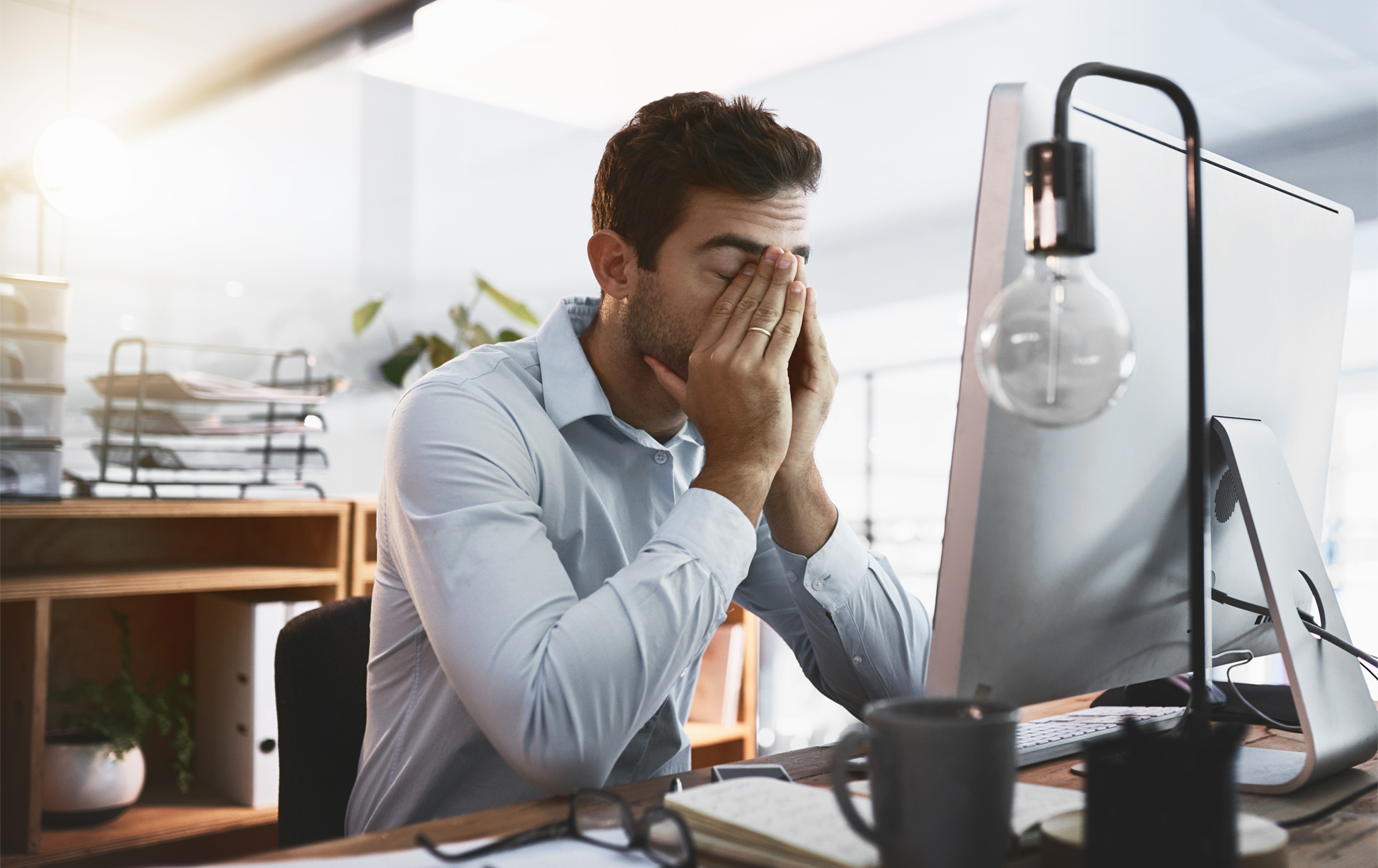
Most people think that feelings of stress start in our brains. We feel overwhelmed, irritable, anxious, or burned out. But often, our bodies hint at stress before our mind does.
A random headache. Stomach problems. Tight shoulders. Trouble sleeping even though you're exhausted. These physical symptoms are not random. They are signals.
Your nervous system may already be reacting to stress before you consciously recognize how overwhelmed you are. Understanding these early warning signs can help you catch stress sooner and prevent it from building into burnout.

When your brain senses a threat, it activates the body's fight-or-flight response. This releases hormones like adrenaline and cortisol that prepare your body to react quickly. Your heart beats faster, your breathing speeds up, and your muscles tighten.
According to research from Harvard Health, these changes happen almost instantly because the brain's emotional processing centers trigger the response before you even consciously process the situation. This means your body may already be reacting to stress before you fully realize it emotionally.
Over time, repeated activation of this stress response can start affecting multiple systems in your body, including digestion, sleep, and immune function.
One of the most common physical signs of stress is muscle tension. Our muscles naturally tighten as part of the body's defense mechanism. When stress continues for long periods, this tension can lead to headaches, neck pain, and general body aches.
Stress headaches are extremely common. When muscles in the neck, shoulders, and scalp stay tense for long periods, they can trigger tension headaches or migraines.
Your gut and brain are constantly communicating through the gut-brain axis. When you feel anxious or overwhelmed, your digestive system reacts accordingly.
Stress activates your cardiovascular system. You might notice a racing heartbeat, dizziness, or tightness in your chest even when nothing physically dangerous is happening. That is because the body interprets stress as a potential threat, triggering the same physiological responses that would occur in an emergency.
Sleep disruption is often one of the earliest signs of chronic stress. Your brain stays alert because it believes there may be a threat, which makes it harder to fall asleep or stay asleep.
Even if you are sleeping enough, stress can leave you feeling exhausted. This happens because your body is constantly releasing stress hormones and staying in a heightened state of alertness. The Cleveland Clinic notes that fatigue is one of the most common physical symptoms of emotional stress.
If you notice you are catching colds more frequently, stress could be part of the reason. When your body stays in stress mode for too long, resources that normally support immune function get redirected to managing the stress response.

Stress is tricky because our body is designed to adapt to it temporarily. People often continue functioning under high stress levels because stress hormones help them stay productive in the short term. But eventually, the body begins to wear down.
That's why learning to recognize early physical signals is so important.
If you notice the symptoms listed above, it doesn't necessarily mean something is medically wrong. It may simply mean your body needs recovery time. Try a few simple strategies to take a break:
In the moment, take short breaks to allow your nervous system to reset
Practice breathing or mindfulness exercises after eating breakfast
Move your body through walking or stretching
Prioritize sleep and regular meals
Talk with someone you trust about what you're experiencing
Your body is constantly giving you information about your mental state. A headache, stomach ache, or tight chest may not just be physical discomfort. It may be your nervous system asking you to slow down.
The earlier you recognize these signals, the easier it is to manage stress before it grows into anxiety, burnout, or physical illness.

Recognizing stress early is one of the most powerful ways to protect your mental health. But many people don't realize they're stressed until their body is already reacting. Brightn is designed to help you notice those signals sooner.
Through guided reflection, mood tracking, and science-backed mental wellness tools, Brightn helps you connect the dots between what you're feeling emotionally and what your body is experiencing physically. Over time, this awareness makes it easier to recognize patterns, manage stress, and build healthier habits.
Stress activates the body's fight-or-flight response, which releases hormones like adrenaline and cortisol. These hormones increase our heart rate, tense muscles, and change digestion to prepare the body for action. While helpful in short bursts, this response can cause physical symptoms if stress continues for long periods (Harvard Health).
Common symptoms include headaches, muscle tension, fatigue, stomach problems, racing heart, sleep issues, and weakened immunity (Cleveland Clinic).
The brain processes threats quickly and often triggers the stress response before you consciously recognize emotional distress. This means your body may react physically before you fully realize you are stressed (TIME).
If physical symptoms like headaches, chest pain, digestive issues, or sleep problems persist for weeks or interfere with daily life, it may be helpful to speak with a healthcare provider or mental health professional.
American Psychological Association. (2024). Stress effects on the body. https://www.apa.org/topics/stress/body
Cleveland Clinic. (2024). How to recognize and cope with emotional stress. https://health.clevelandclinic.org/emotional-stress
Harvard Health Publishing. (2024). Understanding the stress response. https://www.health.harvard.edu/staying-healthy/understanding-the-stress-response
Mental Health America. (n.d.). Is your body sending warning signs about your mental health? https://mhanational.org/resources/is-your-body-sending-warning-signs-about-your-mental-health
TIME. (2024). Do you really store stress in your body? https://time.com/7008130/where-do-you-store-stress-in-body/
Verywell Mind. (2024). 10 sneaky signs stress is showing up in your body. https://www.verywellmind.com/signs-of-overstress-873871