Rylee
January 15, 2026
•
7 min read
Quick Relief: Before your next gathering, try this 30-second grounding technique: Place both feet flat on the floor, take three slow breaths, and name three things you can see. This simple pause activates your calm response and helps you enter social spaces with more presence.
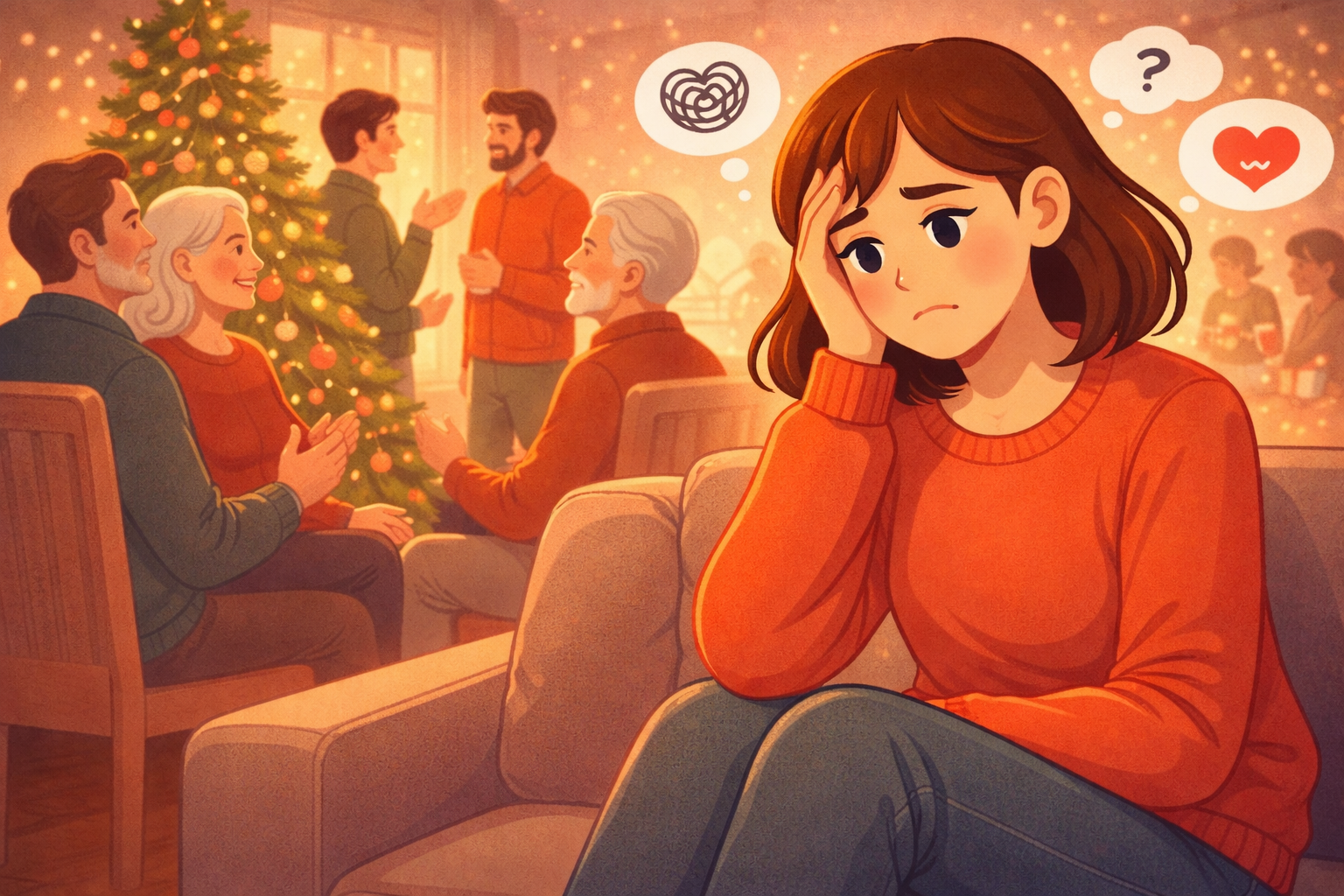
Celebrations are often portrayed as joyful, effortless, and full of connection. In reality, many people feel a mix of excitement and stress when gatherings arrive. Schedules get crowded, expectations rise, and old dynamics resurface at the exact moment you're supposed to feel your best. When that pressure builds, social time can start to feel more draining than energizing.
Understanding why celebrations amplify your feelings of stress and how to respond with intention can help you move through the season with more calm, presence, and authenticity.
Holiday seasons tend to intensify emotion. Nearly one in three Americans expect more stress during holiday periods compared with previous years, largely due to financial concerns, increased responsibilities, and complex family relationships. These factors interact with reduced daylight, disrupted routines, and social comparison, creating an environment where even positive events feel overwhelming.
Clinicians explain that social media often heightens this pressure by showing idealized celebrations that are difficult to match in real life. They also note that busier schedules and less sunlight disrupt the emotional rhythms that typically support our focus and stability. When you pair those factors with longer days spent around others, stress responses naturally rise.
The good news: Mindfulness can help counter this buildup. Research shows that simple mindfulness practices reduce rumination, increase emotional regulation, and allow people to engage with the meaningful parts of celebrations rather than becoming stuck in anxious loops.
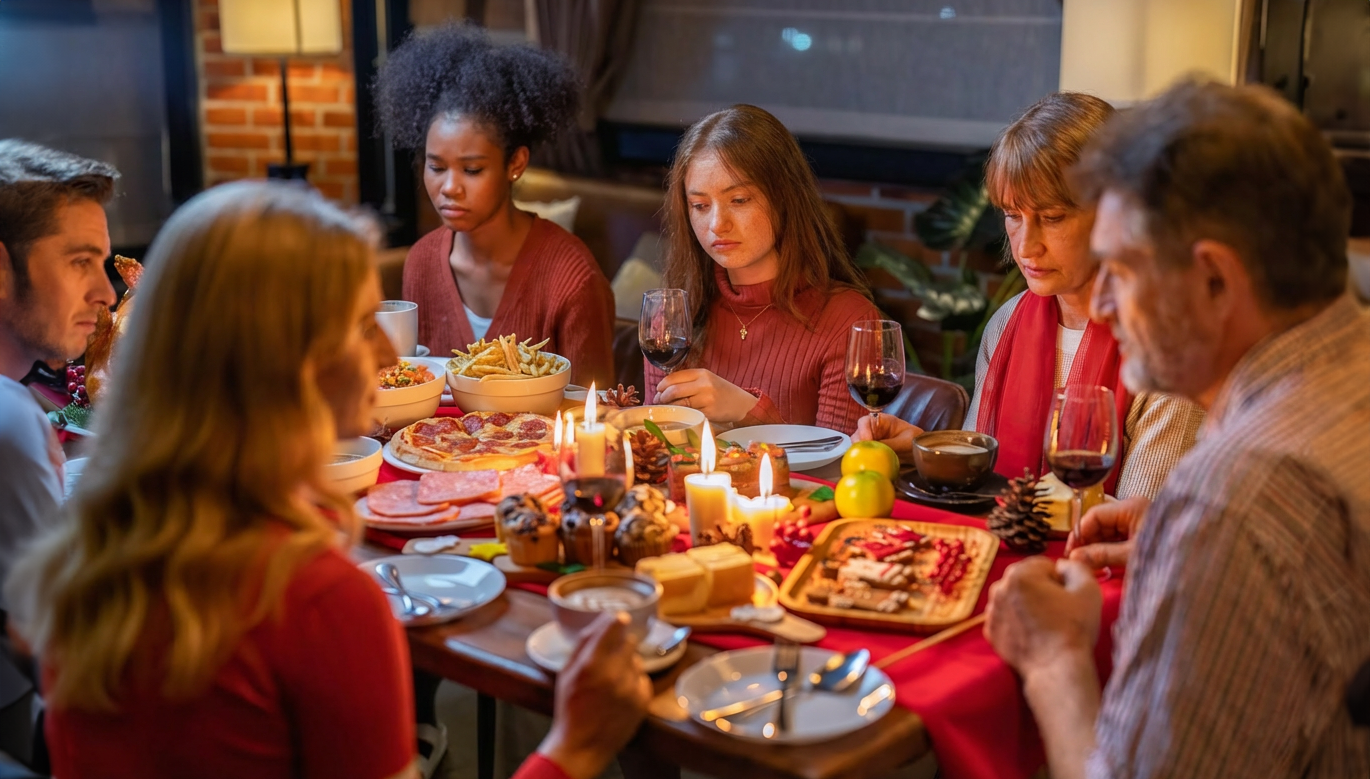
People with social anxiety often overestimate how critically they are being judged, which can lead to avoidance, rumination, and second-guessing after events. Even individuals without an anxiety diagnosis may feel uncomfortable during unstructured conversations, unfamiliar gatherings, or settings where expectations are high.
Another important factor: celebrations often disrupt sleep, increase stimulation, and involve richer foods and more alcohol. These changes can weaken our emotional regulation and contribute to irritability, fatigue, or sensory overload.
For older adults: Gatherings can bring grief, nostalgia, or loneliness into focus, especially when social circles have changed. Gentle routines, grounding activities, and intentional connection can help ease this weight.
💡 Ready to identify your personal stress patterns? Brightn's guided reflections help you recognize triggers before gatherings and practice mindful responses that work for your unique needs. Start free on iOS & Android
Before you step into another gathering, it helps to understand the small choices that keep your mind steady and your energy balanced.
Coping with social stress during celebrations often begins with setting expectations that match your actual capacity. Consider shifting your focus away from perfection and toward moments of genuine connection. When you choose a realistic plan and allow yourself to decline activities that drain you, you protect the emotional bandwidth needed to feel grounded and engaged.
Caring for your energy before and after events matters deeply. Clinicians emphasize the value of short periods of rest, gentle movement, and stepping back from social media when your mind feels flooded. These small pauses help settle your body more effectively than pushing through fatigue, and they create the stability needed for authentic connection.
Mindfulness is a powerful support tool. Even brief check-ins with your breath or your senses can soften reactivity and redirect attention to what you find meaningful. These moments don't have to be long or formal. A short pause in the kitchen, a breath before walking into a room, or a quiet moment in the car can all bring you back into the present.

Gratitude and self-compassion can reshape your emotional experience during busy seasons. Gentle self-talk and awareness of small sources of meaning shift your attention away from pressure toward perspective. This grounding helps reduce the emotional intensity that celebrations sometimes bring.
Everyday lifestyle choices offer additional support. Resources highlight how nourishing meals, hydration, movement, and time outdoors regulate mood and strengthen emotional resilience. These habits create a steadier internal foundation, making the social side of celebrations feel less overwhelming.
When difficult conversations arise, slow your responses, use neutral statements, and disengage from unproductive topics. Gentle curiosity keeps conversations steady and prevents escalation.
Pay attention to which gatherings energize you and which drain you. Notice which coping strategies make the biggest difference. This awareness helps you make better decisions about future events and builds long-term resilience.
📊 Track your patterns this season: Brightn's mood tracking shows how different gatherings affect your energy and emotions, helping you make choices that protect your wellbeing. Plus, access community insights from others navigating similar challenges. Download now
Celebrations don't have to feel like social marathons. When you understand how stress shows up in your mind and body, you can move through gatherings with more clarity, calm, and authenticity.
Small choices like setting realistic expectations, protecting your energy, pausing mindfully, and offering yourself compassion create a meaningful shift in how you experience the season. You deserve a connection that feels genuine, not forced, and taking care of your emotional wellbeing is what makes that possible.
As you navigate the celebrations ahead, let your focus be presence over perfection and connection over pressure.

Why do celebrations cause stress?
Expectations, disrupted routines, financial concerns, and family dynamics raise stress levels for many people. Nearly one in three Americans report heightened stress during holiday seasons.
How can I stay calm during social gatherings?
Use brief mindfulness pauses, set realistic plans, and schedule time to recover afterward. These practices lower your reactivity and support more grounded engagement.
What if family conflict triggers anxiety?
Slow your responses, use neutral statements, and disengage from unproductive topics. Gentle curiosity keeps conversations steady and prevents escalation.
When should I reach out for help? If stress or anxiety impacts your relationships or daily functioning, professional support and community resources can help. Resources like the 988 Suicide and Crisis Lifeline are available 24/7.
How does mindfulness help with holiday stress?
Research shows that mindfulness practices reduce rumination, increase emotional regulation, and help you engage with meaningful moments rather than getting stuck in anxious thought loops.
Brightn combines emotional awareness with practical strategy to help you navigate holiday stress:
🔹 Guided reflections help you identify personal triggers and practice mindful responses before events
🔹 Mood tracking shows how different gatherings affect your energy and emotions
🔹 Community insights provide strategies others use to navigate stress during family or group events
Brightn helps you create connection that feels real and sustainable without sacrificing your sense of balance.
Start your journey to calmer celebrations - Download Brightn free

American Psychiatric Association. Seven Ways to Cope with Holiday Stress. https://www.psychiatry.org/news-room/apa-blogs/seven-ways-to-cope-with-holiday-stress
American Psychiatric Association. As Holiday Season Begins, America's Stress Rises. https://www.psychiatry.org/news-room/news-releases/as-holiday-season-begins-americas-stress-rises
Northwestern Medicine. Tips to Help with Holiday Stress. https://www.nm.org/healthbeat/healthy-tips/emotional-health/tips-to-help-with-holiday-stress
Johns Hopkins Medicine. Four Mindful Tips to De-Stress This Holiday Season. https://www.hopkinsmedicine.org/health/wellness-and-prevention/4-mindful-tips-to-destress-this-holiday-season
UC Davis Health. Five Tips to Manage Holiday Stress. https://health.ucdavis.edu/blog/cultivating-health/5-tips-to-manage-holiday-stress/2023/12
National Council on Aging. Mental Health and the Holidays, Nine Tips for Self-Care. https://www.ncoa.org/article/mental-health-and-the-holidays-9-tips-for-self-care/
American Heart Association. Holiday Stress, Try Our Top Five Tips for a Healthy Holiday Season. https://www.heart.org/en/healthy-living/healthy-lifestyle/stress-management/holiday-stress-try-our-top-5-tips-for-a-healthy-holiday-season
Psychology Today. How to Manage Social Anxiety During the Holidays. https://www.psychologytoday.com/us/blog/the-conversation/202312/how-to-manage-social-anxiety-during-the-holidays
SAMHSA. How to Cope. https://www.samhsa.gov/find-support/how-to-cope
Suicide and Crisis Lifeline. 988. https://988lifeline.org/