Rylee
January 15, 2026
•
8 min read

Coming home for Christmas break should feel like a relief. But for many college students, it’s complicated. You’re exhausted from the semester, looking forward to your own bed and home-cooked meals, but also bracing yourself for questions about grades, your future, and why you’re sleeping so much.
For parents, you’re excited to finally see your kid after months of texts and occasional FaceTime calls. But within a day or two, something feels off. They’re sleeping until 2pm, barely leaving their room, or seem like a different person than the one who left at the start of the semester.
The good news? Christmas break doesn’t have to be a source of stress for either of you. With some understanding of what’s actually happening and a few practical strategies, students can get the rest they need and parents can connect with their kids in meaningful ways.
Here’s what most students won’t tell you: by the time they get home for winter break, they’re running on empty. Not just tired. Completely depleted. Months of managing finals, social pressures, seasonal stress, and figuring out who they are and where they’re headed takes a real toll.
The statistics back this up. According to the American College Health Association, 77% of students experience moderate to severe psychological distress. That’s most students walking around campus feeling overwhelmed, anxious, or struggling in ways their parents often don’t see.
So when your student comes home and sleeps for 14 hours, seems withdrawn, or isn’t their usual self, this is what’s actually happening. Their nervous system is finally feeling safe enough to shut down and recover.

Rest isn’t just about sleep, though sleep is definitely part of it. Real rest means giving your whole system, mind, body, and emotions, a chance to recover from months of running at full capacity.
Physical Rest: Yes, you probably need to catch up on sleep. Your body will likely want 10-12 hours for the first few days home. Let it. After that initial crash, try to get back to a more regular schedule so you don't mess up your sleep rhythm for when you go back to school.
Mental Rest: This means taking a break from constantly thinking about assignments, decisions, and problems. Your brain needs downtime to just... exist. Watch something mindless. Stare out the window. Let yourself be bored for a bit.
Emotional Rest: You don't have to be "on" all the time. You don't have to perform happiness or explain how you're feeling. It's okay to just be quiet and process internally.
Social Rest: Even though you're with family, you still need alone time. Being around people—even people you love—takes energy when you're depleted.
Establish a Rhythm: In the first few days home, allow yourself to sleep as much as your body needs. Once you've caught up on sleep debt, try to establish a consistent sleep-wake schedule. This helps regulate your circadian rhythm and improves overall mental wellness.
Communicate Your Needs: Let your family know you need time to decompress. A simple conversation—"I'm really exhausted from the semester and will need some quiet time to recharge"—helps set expectations and prevents misunderstandings when you need solitude.
Engage in Restorative Activities: Identify activities that genuinely restore your energy rather than simply passing time. This might include reading, spending time in nature, creative pursuits, or gentle physical movement. Notice the difference between activities that numb (like hours of scrolling) versus those that restore.
Maintain Healthy Habits: While flexibility is important during break, maintaining some structure around meals, movement, and sleep supports your mental health. These foundational habits directly impact mood regulation and energy levels.
Set Boundaries Thoughtfully: You don't need to attend every family gathering or social event. Protect your energy by being selective about commitments. It's appropriate to decline invitations when you need rest.
You want to connect with your kid. You want to know they're okay. You have questions. That's all normal. Here's how to do it in a way that doesn't push them away.

Give them the first day or two to decompress. They just spent hours traveling and transitioning. They need time to remember how to be home. Don't jump into heavy conversations immediately.
Change how you ask questions. Instead of "How are your grades?" try "What was your favorite class this semester?" Instead of "What are you doing after graduation?" try "What are you thinking about for next semester?" Questions that invite stories instead of performance reviews tend to go better.
Notice things without announcing them. If they seem tired or off, you don't need to say it out loud. "You seem really tired" often feels like criticism, even when you mean it with love. Instead, show you care through actions: "I'm making coffee, want some?" or "Want to take a walk with me?"
Let them be different. They've been away growing and changing. That's the whole point of college. If they have new interests, new opinions, or seem like a slightly different person, that's actually a good sign. They're becoming an adult.
Stop the comparisons. Don't compare them to siblings, cousins, their friends, or who they were in high school. It doesn't motivate them. It just makes them feel like they're failing.
Do things together instead of interrogating them. Cook dinner together. Watch a show. Run errands. Sometimes the best conversations happen when you're doing something side-by-side, not sitting face-to-face.
If you're a student, you've probably noticed that your emotions are all over the place. Small things that wouldn't normally bother you feel overwhelming. A minor comment from your mom makes you want to cry or snap. You go from fine to falling apart seemingly out of nowhere.
This isn't you being dramatic. This is what happens when your nervous system has been running in overdrive for months. At school, you had to hold it together. Now that you're home and finally feel safe, all those suppressed emotions are coming to the surface.
For parents watching this happen, it can be scary. Your kid seems fragile in ways they didn't before. A simple question leads to an outsized reaction. You're not sure what's normal stress and what's something more serious.

Here's what helps:
If you're a student experiencing these intense emotions, it helps to name what's happening: "I know my reaction seems big. I've been holding a lot in and it's all coming out now." This lets your family know you're aware of it, which usually makes them less worried.
If you're a parent watching your student struggle with emotional regulation, the best response is often the simplest: "I can see you're having a hard time. What would be helpful right now?" Sometimes they need space. Sometimes they need a hug. Sometimes they just need you to sit with them without trying to fix it.
When to get professional help: If your student talks about not wanting to be alive, has completely lost interest in everything, can't function at all, or is using substances to cope—those are signs they need more support than family can provide. In those cases, help them connect with campus counseling or a therapist.
Students: Small gestures of inclusion help your parents feel connected to your life. Sharing a funny story from campus, asking their perspective on something you're thinking about, or simply joining them for coffee creates connection without requiring you to share everything.
Parents: Share about your own life rather than making every conversation about your student. Talk about your work, something interesting you learned, or challenges you're navigating. This models that adult relationships involve mutual sharing and interest.
Together: Consider creating simple traditions that don't require elaborate planning. A morning coffee routine, an evening walk, or a weekly movie night provides structure for connection without pressure.
During Christmas break, regular support systems may be limited. Campus counseling is closed, routines are disrupted, and stress around family dynamics and the new year can creep in.
This is where mental wellness tools can help bridge the gap.
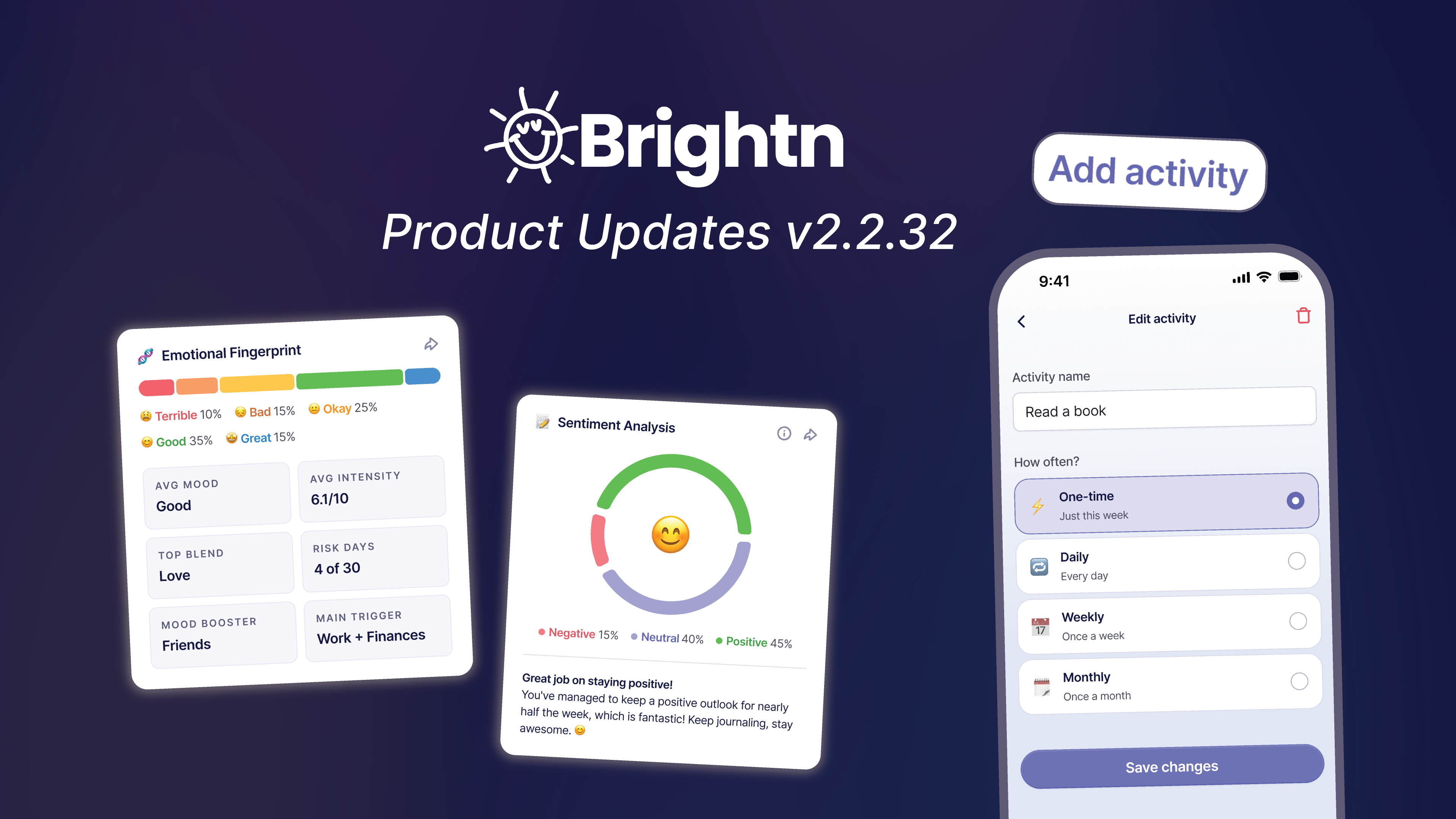
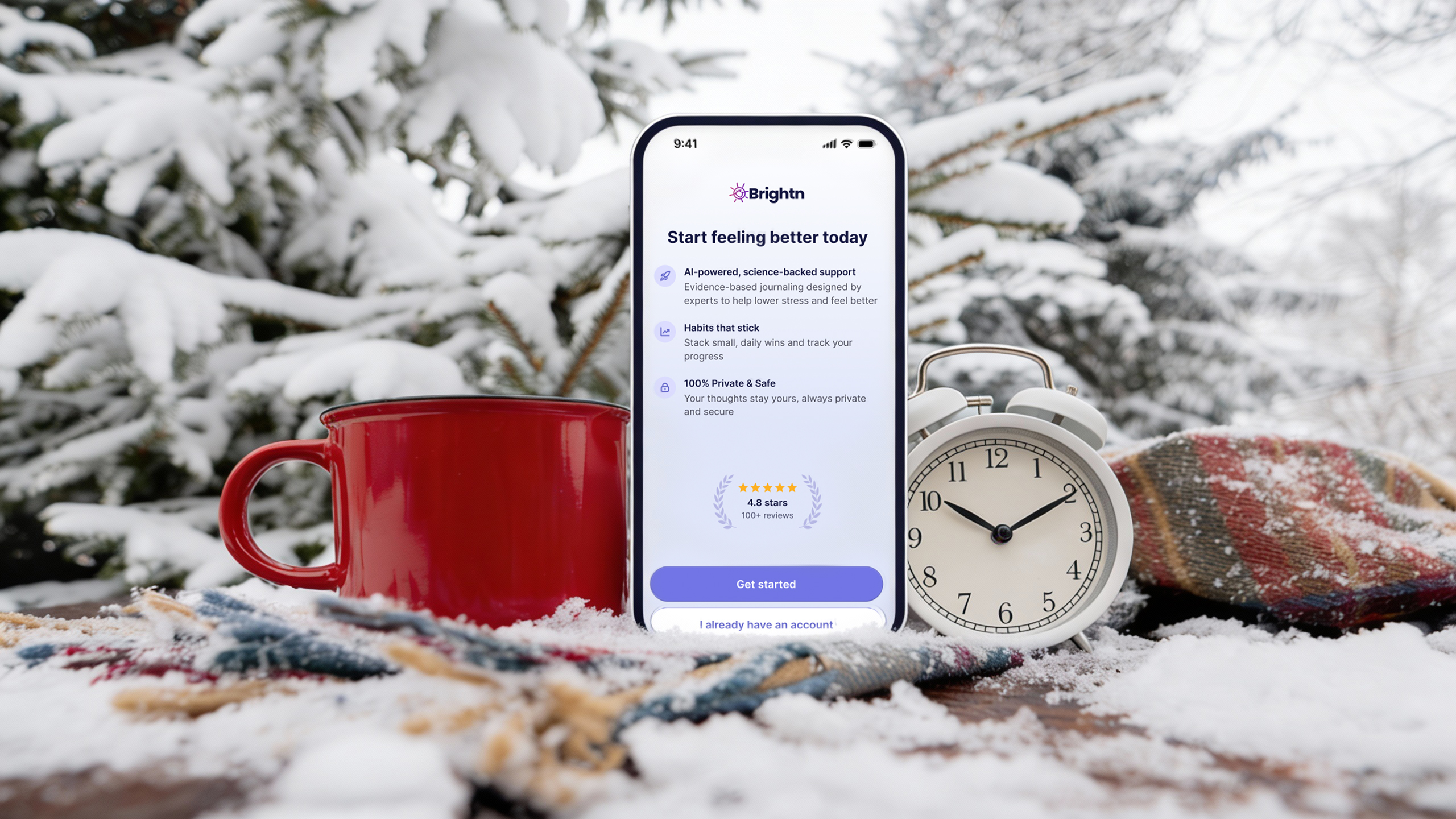
Brightn is designed for moments like this. AI-powered journaling helps you process emotions privately. Mood tracking helps you notice patterns during the break. Voice-based support offers evidence-based coping strategies when things feel overwhelming.
Brightn takes a whole-life approach through three pillars: Health, Wealth, and Purpose. Because mental wellness is shaped not just by emotions, but by stress around money, identity, and direction.
Whether you’re regulating emotions before a family gathering, reflecting on the semester, or preparing for what’s next, support is available anytime, anywhere.
Learn more about Brightn or download the app to have support available throughout your break.
Not all family environments support mental wellness. If returning home means entering an environment with active substance abuse, verbal or emotional harm, or situations that significantly threaten your mental health, it's appropriate to make alternative plans.
Students: Your safety and wellbeing come first. If going home isn't safe or healthy, consider staying with friends, remaining on campus if possible, or making other arrangements. This isn't failure—it's self-protection.
Parents: If your student is reluctant to come home, consider honestly whether your home environment currently supports their wellbeing. Sometimes the most supportive thing you can do is respect their need for distance while working on creating a healthier dynamic.
As Christmas break comes to an end, take time to reflect on what supported your wellbeing and what created stress. This information helps you prepare for future breaks and informs the support you might need going forward.
Students: Consider what helped you rest and recharge. What boundaries served you well? What do you need to continue prioritizing when you return to campus? If you're struggling, what resources should you connect with when you get back?
Parents: Think about what facilitated connection with your student. What conversations went well? What can you learn about how to support them going forward? How can you maintain connection when they return to school?
Christmas break offers an opportunity for restoration and connection when approached with realistic expectations and mutual respect. By understanding what each person needs, communicating clearly, and accessing appropriate support, this time at home can truly be restorative.
If you or someone you know is experiencing a mental health crisis, immediate support is available:
For ongoing support throughout Christmas break and beyond, Brightn provides evidence-based mental wellness tools available anytime, anywhere.